Recognizing the Function of a Veterinary Oncologist in Your Pet's Cancer Care
A vet oncologist specializes in dealing with and diagnosing cancer cells in animals. Their knowledge is vital for developing customized treatment plans that address the unique requirements of each pet dog. Early medical diagnosis can substantially impact outcomes, making their role a lot more critical. Understanding the various treatment alternatives and exactly how these professionals collaborate with main veterinarians is crucial. What methods do they utilize to boost your pet's lifestyle throughout this tough time?
What Is a Veterinary Oncologist?
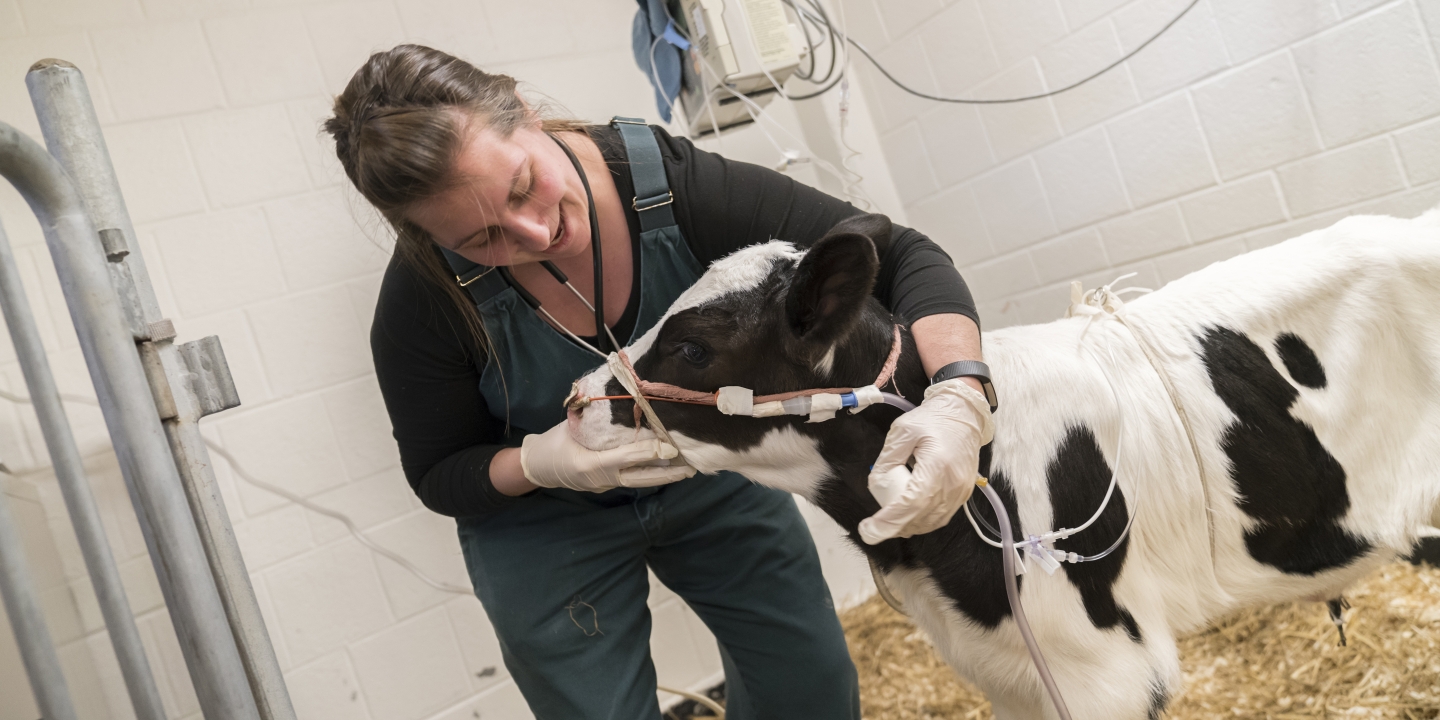
A veterinary oncologist is a specific vet who focuses on treating and diagnosing cancer cells in animals. These professionals possess advanced training in both veterinary medication and oncology, allowing them to understand the intricacies of malignant conditions in animals. Their experience enables them to execute a range of diagnostic treatments, including imaging methods and laboratory examinations, to precisely identify different sorts of cancers cells in pet dogs.
Along with diagnosis, veterinary oncologists develop tailored treatment strategies, which may include surgery, chemotherapy, radiation therapy, or palliative care. They work carefully with pet dog proprietors to clarify therapy alternatives and potential end results, ensuring that households make educated decisions concerning their pets' treatment. Veterinary oncologists often collaborate with other vet professionals and basic specialists, producing an extensive technique to animal health. By concentrating on cancer cells treatment, they play an essential duty in enhancing the lifestyle for pets detected with malignancies.
The Value of Early Diagnosis and Treatment
Early medical diagnosis and treatment of cancer cells in animals substantially enhance the chances of successful outcomes and boosted quality of life. When cancer cells is identified in its beginning, vet oncologists can carry out targeted interventions that might reduce condition progression and alleviate signs. This proactive strategy enables for much better management of the disease, possibly causing longer survival times and improved convenience for the animal.
Additionally, early detection commonly suggests that therapy options may be less invasive and extra reliable, lowering the overall problem on both the animal and its owner. Regular veterinary examinations and recognition of refined behavioral adjustments are vital, as they can help with prompt diagnoses. Owners need to continue to be alert and consult their vet at the very first sign of issue. Veterinary Cancer Specialist. Inevitably, a very early medical diagnosis equips pet owners to make educated decisions concerning their animal's treatment, significantly influencing the total journey with cancer cells monitoring
Treatment Choices Supplied by Vet Oncologists
When confronted with a cancer diagnosis, pet proprietors can check out a variety of therapy options supplied by veterinary oncologists that are tailored to the particular requirements of their animals. These specialists generally use a combination of surgical treatment, chemotherapy, radiation treatment, and immunotherapy. Surgical treatment may intend to eliminate lumps or influenced cells, while radiation treatment uses medications to eliminate and target cancer cells, frequently carried out in cycles.
Radiation treatment concentrates on utilizing high-energy rays to diminish growths and minimize discomfort. Immunotherapy, an extra current advancement, harnesses the animal's immune system to combat cancer cells much more properly. Additional supportive treatments, such as pain administration, dietary support, and palliative care, are also essential elements of a comprehensive therapy plan. By examining each situation separately, vet oncologists assure that the picked treatment lines up with the family pet's general health and cancer cells type, maximizing the possibilities of a favorable outcome.
The Collaborative Strategy: Dealing With Your Main Vet
Collaboration between vet oncologists and main vets is essential for providing extensive like family pets detected with cancer. This partnership guarantees a comprehensive technique to therapy, integrating the specialized knowledge of oncologists with the ongoing treatment given by key veterinarians. With each other, they examine the family pet's health, establish customized treatment strategies, and check the pet dog's progression throughout the cancer trip.
Main vets often act as the initial point of call, identifying potential indications of cancer cells and referring clients to oncologists for specialized diagnostics and treatment choices. Following the oncologist's referrals, the primary vet plays a vital function in handling the pet's total health, including pain monitoring and supportive care.
Efficient interaction between these experts fosters a unified technique, permitting for prompt treatments and adjustments to therapy as required. This collective technique eventually enhances the quality of treatment and assistance for pets and their owners during a difficult time.

Supporting Your Pet Dog Through Cancer Cells Treatment
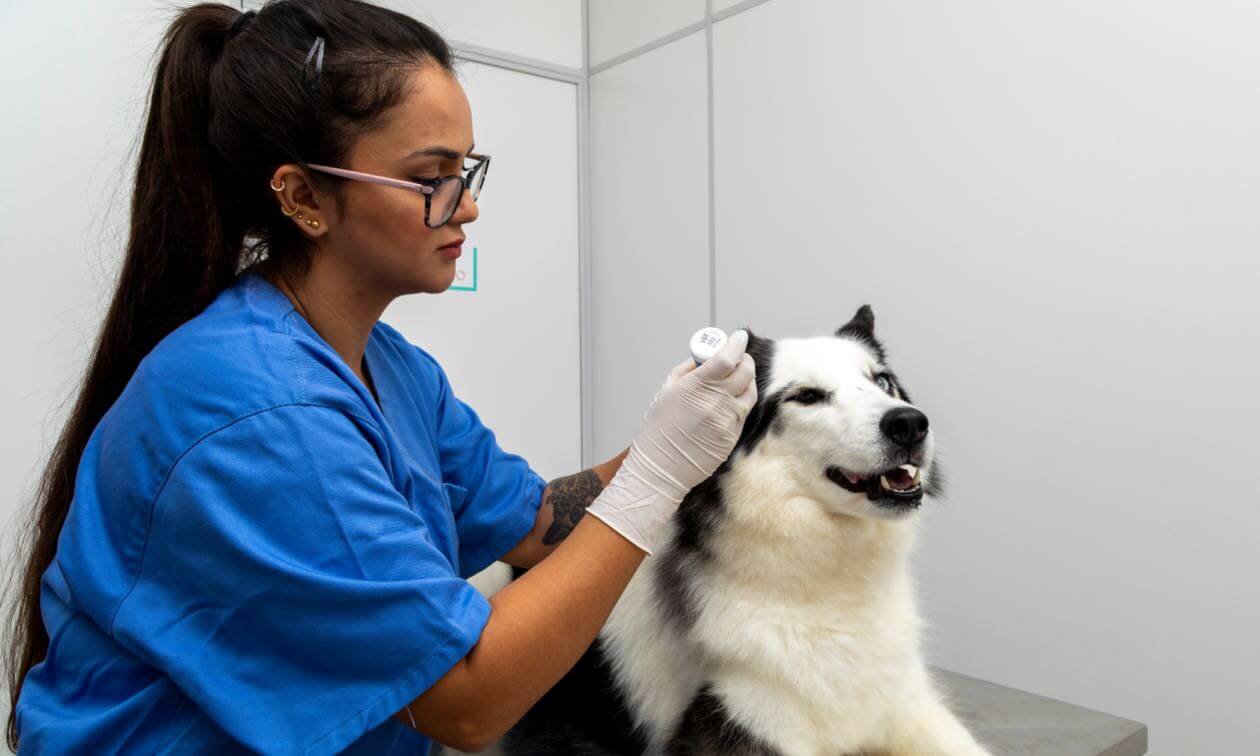
Supporting an animal with cancer care calls for a comprehensive understanding of the emotional and physical difficulties encountered by both the pet and its proprietor. Caregivers have to be mindful to the family pet's altering needs, which may include handling discomfort, readjusting diet plans, and keeping track of adverse effects from therapies. Providing a comfortable, worry-free atmosphere is crucial for the animal's well-being.
Emotional assistance is equally crucial; owners must seek to stay positive and engaged while understanding their own sensations of stress and anxiety and sadness. Producing a support network, consisting of veterinarians, household, and pals, can minimize some worries.
Additionally, family pet owners need to inform themselves concerning the specific sort of cancer and treatment alternatives readily available, cultivating notified discussions with veterinary oncologists. Eventually, a compassionate method, combined with positive treatment and support, can enhance the pet dog's lifestyle throughout this challenging journey.
Regularly Asked Questions
How Do I Pick the Right Veterinary Oncologist for My Animal?
Selecting the best veterinary oncologist includes looking into certifications, seeking recommendations, Pet Cancer Surgery reviewing experience with specific cancers, evaluating communication designs, and visiting clinics to assure a comfortable atmosphere for both the family pet and proprietor throughout treatment.
What Should I Anticipate Throughout the First Visit?
During the first visit, the pet dog owner can expect a thorough evaluation, discussion of case history, analysis tests, and a treatment strategy synopsis. The vet will address concerns and supply assistance for ongoing treatment.
Exist Any Type Of Costs Associated With a Vet Oncologist's Services?
Costs related to a veterinary oncologist's services can differ significantly based upon area, therapy complexity, and needed diagnostics. Veterinary Oncologist. Animal proprietors should anticipate expenditures for assessments, examinations, and potential continuous therapy plans customized to their animals' requirements
Can My Pet Still Get Normal Veterinary Care While Seeing an Oncologist?
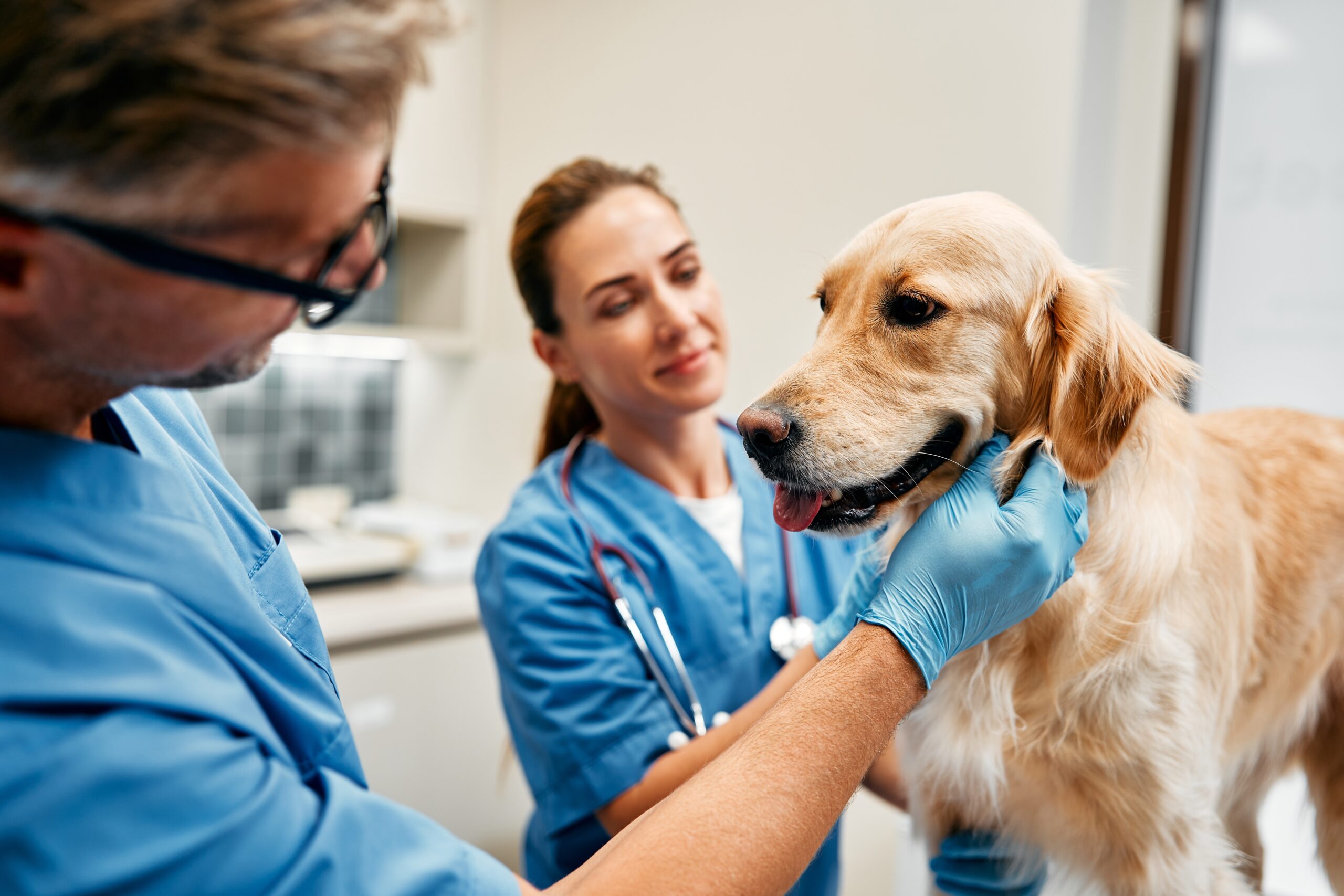
Animals can get regular vet treatment while seeing an oncologist. Working with therapies assurances extensive health and wellness administration. Routine check-ups complement specialized cancer care, allowing for holistic monitoring of the pet dog's general well-being and attending to other wellness worries.
What Resources Are Available for Pet Owners Throughout Their Family pet's Cancer Trip?
Different sources are offered for pet dog owners maneuvering their pet's cancer cells trip, including support groups, on-line forums, academic sites, and financial help programs, all aimed at giving support, emotional assistance, and sensible details during this tough time.
A veterinary oncologist is a specialized vet who concentrates on diagnosing and dealing with cancer cells in pet dogs. They work very closely with animal proprietors to clarify treatment alternatives and prospective outcomes, making sure that family members make informed decisions concerning their family pets' treatment. When encountered with a cancer cells medical diagnosis, animal proprietors can check out a variety of treatment alternatives provided by veterinary oncologists that are tailored to the particular demands of their pets. Cooperation in between veterinary oncologists and primary veterinarians is vital for supplying comprehensive care to animals identified with cancer cells. Furthermore, animal owners must educate themselves regarding the details kind of cancer cells and therapy alternatives readily available, fostering informed discussions with veterinary oncologists.
Comments on “Why a Board Certified Veterinary Oncologist offers specialized care for pets with cancer”